
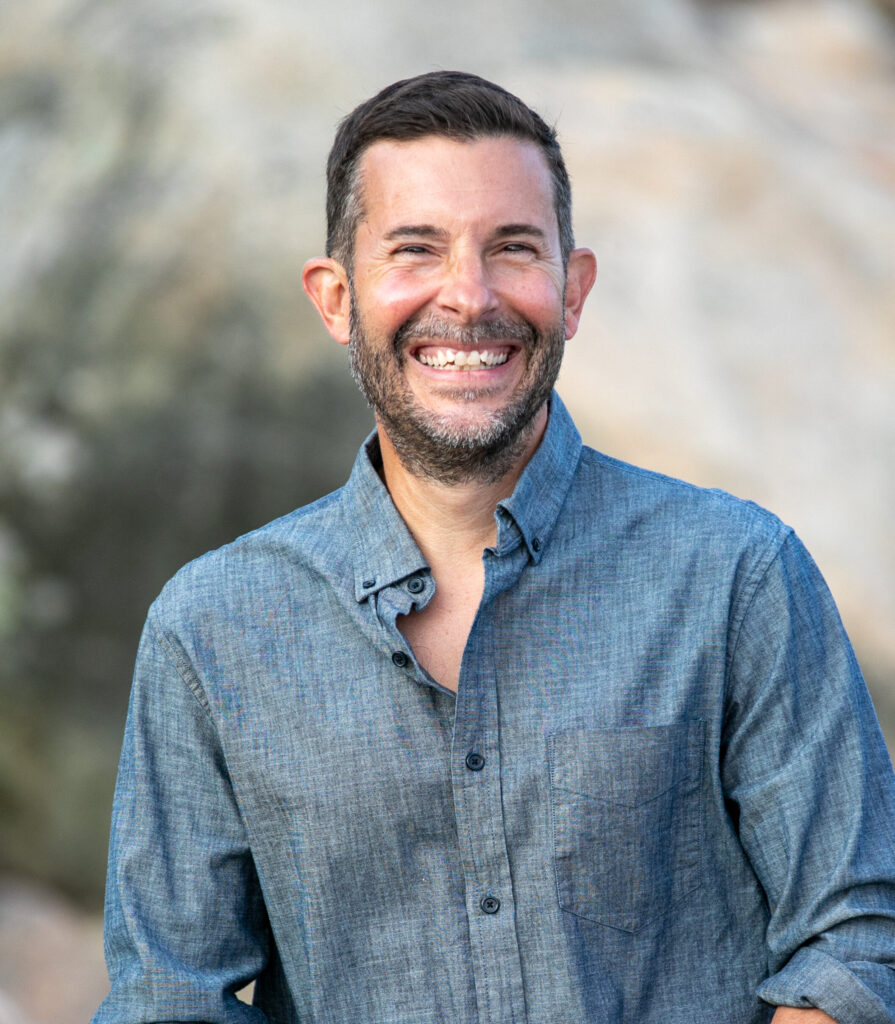
Craig Stanland is a keynote speaker and author who explores the hidden architecture behind human decision-making, ethics, and organizational risk.
After orchestrating an $800,000 fraud against a Fortune 100 company and serving two years in federal prison, Craig has spent more than a decade examining a question few people can explore from the inside: What happens within a trusted employee before a consequential decision is ever made?
His work reveals how identity, pressure, perceived stakes, and rationalization can quietly reshape decision-making long before misconduct becomes visible to the systems designed to detect it.
He also examines how organizational expectations, leadership behaviors, and the perceived consequences of speaking up can influence people’s decisions.
Through powerful storytelling and practical insights, Craig gives audiences a new lens for understanding the human side of risk, moving beyond what happened to examine the invisible progression that made it possible.
When he’s not speaking or writing, Craig enjoys hiking, paddleboarding, exploring car shows, relaxing at the beach, and spending time with his wife and their three special-needs cats.
How I Got Caught: A Deep Dive Into an $800K Fraud
This session offers a rare, firsthand account of how fraud develops from the inside out, and how small rationalizations evolve into financial crimes while organizations struggle to detect them. In How I Got Caught, Craig takes audiences beyond traditional case studies and into the decision-making process behind an $800,000 fraud committed against a Fortune 100 company. Through an unfiltered look at his own experience, Craig walks audiences through: ● The internal controls he exploited and the warning signs that were missed ● The behavioral red flags that appeared long before the fraud reached criminal scale ● The investigative process used by the victim organization and the FBI to build the case ● The rationalizations, beliefs, personal stakes, and pressures that led him to cross ethical lines Craig provides a rare perspective from inside the fraud triangle, showing how rationalization, pressure, and opportunity unfold in real time. Craig also explores how AI and emerging technologies may enhance early fraud detection, helping organizations identify suspicious behavior and patterns before losses escalate. Fraud is rarely just a control failure; it’s a human decision failure that controls fail to detect. This dynamic, interactive session gives audiences a rare insider’s perspective on ethical decision-making and fraud risk, helping professionals recognize how judgment is compromised, spot behavioral warning signs and internal control vulnerabilities that can allow misconduct to escalate and identify opportunities for earlier intervention to reduce financial and reputational harm.